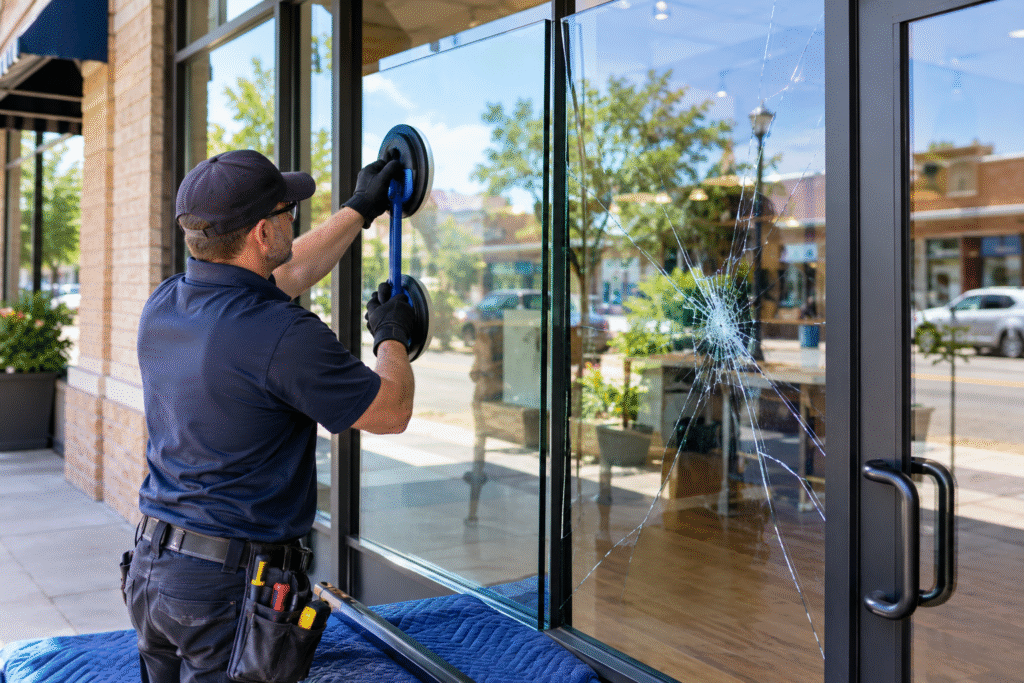
24/7 HOUR

Advice

emergency glass repair
Advice

How Fast Is Emergency Glass Repair in Lawrenceville After Hours?

A shattered window at 11 p.m. is stressful. Maybe a storm sent a branch through your living room glass. Maybe someone broke into your storefront overnight. Either way, you need to know one thing fast: how soon can someone fix this? Below, we break down how after-hours glass service works, what timelines to expect, and what can speed things up or slow them down. What Counts as a Glass Emergency? Not every crack needs a midnight call. But some situations can’t wait until morning. A glass emergency usually means one of these: If your property can’t be locked or the glass poses an injury risk, treat it as urgent. How Emergency Glass Repair Works After Hours When you call for emergency glass repair, the process usually moves in two stages. Stage one: secure the property. A technician comes out to clean up broken glass and make the opening safe. In many cases, this means a temporary board-up or a sturdy temporary panel. This step protects you from weather, theft, and further damage. Stage two: permanent replacement. Once the opening is secure, the technician measures for new glass. Standard sizes may be replaced quickly. Custom or specialty glass is ordered and installed on a follow-up visit. This two-step approach gets you safe tonight, even if the final glass takes a bit longer. Typical Timelines for After Hours Glass Repair So how fast is fast? Here’s what most property owners can expect for after hours glass repair in Lawrenceville: The key takeaway: your property can usually be secured the same night, while the permanent fix depends on the type of glass you need. What Affects How Fast Your Glass Gets Fixed Several factors shape your repair timeline: Urgent Window Repair for Homes vs. Businesses Homeowners usually want peace of mind and a safe place to sleep. Business owners have added pressure. A broken storefront means lost sales, security risks, and a poor first impression. For commercial properties, fast response matters even more. Many glass companies prioritize securing storefronts so you can reopen as soon as possible. If your business has damaged display windows or entry doors, look for a team experienced in storefront glass repair. Tips to Speed Up Your Repair You can help the process move faster with a few simple steps: Frequently Asked Questions Can emergency glass be repaired the same day?Often, yes. Standard glass in common sizes can usually be replaced the same day. Specialty glass may need a temporary board-up first, with permanent glass installed within a few days. How much does after hours glass repair cost?After-hours service may cost more than a standard daytime appointment due to off-hours labor. The final price depends on the glass type, size, and amount of work needed. Ask for an estimate when you call. Is it safe to leave a broken window until morning?It’s not recommended. A broken window can let in weather, invite theft, and cause injuries. If you can’t get a permanent fix right away, a temporary board-up keeps your property secure overnight. Get Fast Emergency Glass Repair in Lawrenceville Broken glass doesn’t wait for business hours, and you shouldn’t have to either. When you need fast, reliable help for your home or business, Lone Star Glass is ready to respond. Our team can secure your property quickly and walk you through the next steps for a lasting repair. Call us today to get help now. Posted on October 17, 2026 | Published by Ignite Local | Related Local Business
Insulated Glass Units Fog Up
Advice

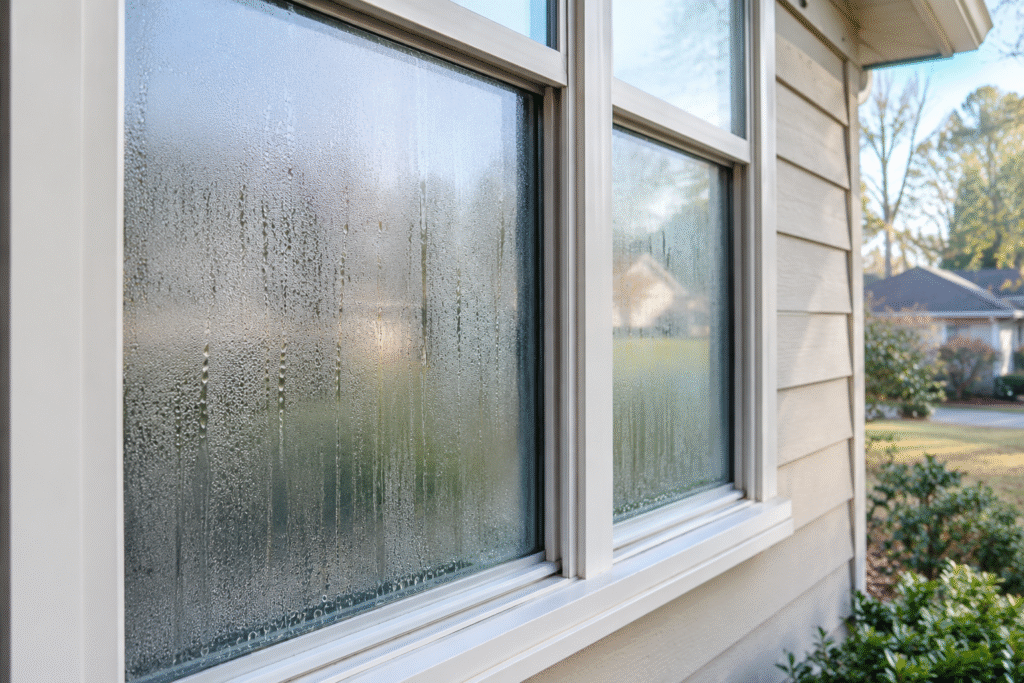
Why Do Insulated Glass Units Fog Up in Atlanta Homes?

If you’ve noticed a hazy film or moisture trapped between the panes of your window, you’re not imagining things. Insulated glass units are designed to last for decades, but Atlanta’s swings between humid summers and cold snaps can push them past their limits faster than you’d expect. Here’s what’s actually happening inside your windows, and what you can do about it. What Are Insulated Glass Units, Exactly? Insulated glass units, often called IGUs, are made of two or more panes of glass with a sealed air space between them. That gap is filled with air or an inert gas like argon, and it acts as a buffer that keeps outside temperatures from transferring straight through your window. The seal around the edge of the unit is what holds everything together and keeps moisture out. When that seal is intact, your windows stay clear and your energy bills stay lower. When it fails, the whole system breaks down. Why Do Windows Get Foggy? Foggy windows happen when the edge seal on an insulated glass unit cracks or weakens. Once that seal is compromised, humid outside air sneaks into the space between the panes. That moisture has nowhere to go, so it condenses on the inside of the glass, creating the cloudy or streaky look you see from your living room. In Atlanta, this process speeds up because of our climate. Hot, sticky summers followed by cooler, damper months put constant pressure on window seals, expanding and contracting the materials over and over. Over time, that stress adds up. What Causes Double Pane Glass Failure? A few things typically lead to double pane glass failure: Age. Most seals are rated to last 10 to 20 years. Once a window passes that mark, the risk of failure climbs. Poor installation. If a window wasn’t installed with the right flashing or sealant, moisture can find a way in much sooner than it should. Extreme temperature swings. Atlanta’s shift from 95-degree afternoons to chilly winter nights puts a lot of expansion and contraction stress on the glass and the seal holding it together. Manufacturing defects. Occasionally, a unit simply wasn’t sealed correctly at the factory, and it fails well before its expected lifespan. Once a seal fails, fogging usually isn’t a one-time event. It tends to come back, sometimes worse, because the gas fill that once insulated the unit has likely escaped too. Can You Fix Foggy Windows Without Replacing the Whole Window? Some companies advertise a fix that involves drilling a small hole into the glass to let the moisture evaporate. This can temporarily clear the fog, but it doesn’t restore the insulating gas or repair the broken seal. The fog almost always returns, often within a few months. The more permanent solution is IGU replacement, swapping out just the glass unit itself while keeping your existing window frame. This is usually more affordable than a full window replacement and gets your energy efficiency back on track. Is IGU Replacement Worth It? In most cases, yes. Replacing the insulated glass unit resets the clock on your window’s performance without the cost of a full frame replacement. It’s especially worth considering if: For homes with multiple aging windows or frames that are warped, cracked, or drafty, a full replacement might make more sense long-term. A quick inspection can tell you which route fits your situation. Frequently Asked Questions Why does only one window in my house look foggy?Seal failure usually happens one unit at a time. Sun exposure, installation quality, and even the direction a window faces can all affect how quickly its seal breaks down, so it’s common for just one or two windows to fog before the others. Does a foggy window mean I’m losing energy efficiency?Yes. Once the seal fails, the insulating gas between the panes escapes, and the window loses much of its ability to block outside temperatures. You may notice higher heating and cooling costs as a result. How much does replacing an insulated glass unit cost compared to a full window?IGU replacement is typically less expensive than a full window replacement because you’re keeping the existing frame. Exact pricing depends on the window size, glass type, and any upgrades like Low-E coatings. Ready to Clear Up Your Foggy Windows? Foggy windows are more than an eyesore. They’re a sign that your home is losing the energy efficiency you’re paying for. If you’ve spotted cloudy glass anywhere in your home, don’t wait for it to spread. The team at Lone Star Glass can inspect your windows, confirm whether IGU replacement or full window replacement makes the most sense, and get your view (and your energy bill) back to normal. Schedule your free consultation today. Posted on September 19, 2026 | Published by Ignite Local | Related Local Business

safety glass
Advice

What Is Safety Glass and Where Is It Required in Marietta?

Have you ever wondered why some windows and doors use special glass instead of regular panes? If you’re building, renovating, or replacing glass in a home or business, safety glass isn’t optional in many spots. Building codes require it in specific locations to protect people from injury if the glass breaks. Here’s what you need to know before your next project. What Is Safety Glass? Safety glass is a type of glass designed to reduce injury risk when it breaks. Unlike regular annealed glass, which shatters into sharp shards, safety glass either breaks into small, dull pieces or stays intact after cracking. This design makes it a critical safety feature in homes, offices, schools, and other buildings. There are two main types of safety glass used in construction today: tempered and laminated. Tempered Safety Glass Explained Tempered safety glass goes through a heating and rapid cooling process. This process makes the glass about four times stronger than standard glass. If it does break, it crumbles into small, rounded pieces instead of jagged shards. That’s why you’ll often find tempered glass in shower doors, storefront windows, and glass tabletops. Tempered glass is a strong choice for areas where impact is likely. It holds up well against everyday bumps, but it’s built to break safely if enough force is applied. Laminated Safety Glass Explained Laminated safety glass uses two or more layers of glass bonded together with a plastic interlayer. When this glass breaks, the pieces stick to the interlayer instead of scattering. This keeps the glass mostly intact, even after a crack forms. Laminated glass is common in car windshields, skylights, and glass used in areas prone to severe weather. It also offers sound dampening and UV protection, making it a popular pick for both homes and commercial buildings. Where Building Glass Codes Require Safety Glass Building glass codes outline exactly where safety glass must be installed. These rules exist because certain locations carry a higher risk of impact or breakage. Common areas where codes require safety glass include: If you’re planning a renovation or new build in Marietta, checking local glass codes early can save time and prevent costly changes later. A contractor or glass specialist can confirm exactly which areas of your project require safety glass. Why Safety Glass Matters for Homes and Businesses Safety glass isn’t just about meeting code. It protects the people inside a building from serious injury. It also helps property owners avoid liability issues that can come from using the wrong type of glass in a high-risk area. For business owners, safety glass adds another layer of protection. Storefronts, office partitions, and entry doors see heavy daily use. Using the right glass type here reduces the risk of accidents and keeps a property compliant with local codes. If you manage a commercial property, it’s worth reviewing your commercial glass services options to make sure every entry point and window meets current standards. When to Replace Glass With a Safety-Rated Option Older homes and buildings often have glass that doesn’t meet current safety standards. If you notice cracked, foggy, or outdated glass near a door, stairway, or bathroom, it may be time for an upgrade. Replacing older panes with tempered or laminated glass brings a property up to code and adds peace of mind. Learn more about your options on our glass replacement page. Frequently Asked Questions Is safety glass required in all windows?No. Safety glass is only required in specific locations, like near doors, stairs, and bathtubs. Most standard windows don’t need it unless they’re within a few feet of the floor or a walking surface. What’s the difference between tempered and laminated glass?Tempered glass breaks into small, rounded pieces. Laminated glass stays mostly intact because the pieces stick to an inner plastic layer. Both are considered safety glass, but they’re used in different situations. How do I know if my current glass meets safety codes?Look for a small etched mark in the corner of the glass. This mark usually shows the manufacturer and safety rating. If you don’t see one, a glass professional can inspect the panel and let you know if it needs replacing. Ready to Bring Your Property Up to Code? Whether you’re building new or updating an older property, getting the right glass in the right spot matters. Lone Star Glass Inc. can help you identify which areas of your home or business need safety glass and handle the installation from start to finish. Call today to schedule a consultation or request a free quote. Posted on July 22, 2026 | Published by Ignite Local | Related Local Business

Window Glass Replacement
Advice

Signs You Need Window Glass Replacement Instead of Repair in Marietta

When a window gets damaged, the first question most property owners ask is: Can this be fixed, or does it need to be replaced? It’s a fair question — and the answer matters. Choosing repair when you actually need full window glass replacement can cost you more in the long run. This guide breaks down the clear warning signs so you can make a confident, informed decision. When a Crack Is More Than Just a Crack Not all cracks are equal. A small chip near the edge of a single-pane window might be repairable with a glass filler. But certain types of cracked window glass almost always require full replacement. Watch out for these red flags: If the crack reaches the frame or affects more than one layer of glass, repair is rarely a lasting solution. Patching it is like putting a bandage on a broken bone. Foggy Insulated Glass Is a Sign Your Seal Has Failed Do you see a cloudy or hazy film between your window panes that won’t wipe away? That’s not dirt — that’s condensation trapped inside your insulated glass unit (IGU). This happens when the airtight seal between the panes breaks down. Once that seal fails, the inert gas (usually argon or krypton) that provides insulation escapes. What you’re left with is a window that: Foggy insulated glass cannot be repaired by cleaning. The entire glass unit needs to be replaced. The good news? You often don’t need to replace the full window frame — just the glass itself. Broken Window Panes That Affect Safety or Security A broken window pane is never just a cosmetic issue. Broken glass creates immediate safety risks — sharp edges, exposed gaps, and easy entry points for intruders or weather. If your window is broken due to: …then replacement is the right call. Temporary fixes like tape or plastic sheeting are not solutions. They leave your home or business vulnerable to further damage and don’t meet most insurance documentation requirements. For commercial properties especially, a broken pane can trigger liability concerns. Don’t delay. Your Energy Bills Are Climbing for No Clear Reason This one surprises people. If your heating or cooling costs are rising and you can’t explain why, your windows may be to blame. Failed seals, cracked glass, and deteriorating glazing all allow outside air to infiltrate your space. You can often feel a draft near damaged windows even when they’re fully closed. Window glass replacement restores the thermal barrier your windows are supposed to provide — and the savings on energy costs often offset the cost of replacement faster than most homeowners expect. The Frame Is Fine — You Just Need the Glass Here’s something many property owners don’t realize: you don’t always have to replace the entire window. If the frame is in solid condition, a glass-only replacement is usually possible. This approach: A qualified glass professional can assess whether your frame is worth keeping and install new glass that matches your existing setup. FAQs: Window Glass Replacement in Marietta Q: How do I know if I need window glass replacement or just a repair in Marietta? If the crack reaches the window frame, the seal between panes has failed, or the pane is broken through completely, replacement is almost always the better choice. Small surface chips on single-pane glass may be repairable. Q: Can foggy windows be fixed without full glass replacement? No. Once the seal on an insulated glass unit fails, the fogging is permanent. The IGU needs to be replaced — but in many cases, only the glass unit needs to go, not the full window frame. Q: How long does window glass replacement take? Most standard residential window glass replacements can be completed in a single visit, often within a few hours. Commercial jobs or specialty glass may take longer depending on material lead times. Ready to Stop Guessing? Get a Professional Assessment. If you’re seeing cracks, fog, drafts, or broken panes, don’t wait for the problem to get worse. Lone Star Glass Inc. serves property owners in Marietta and the surrounding area with fast, professional window glass replacement — and honest guidance on whether repair might be enough. Call or request a quote today and let a glass expert assess your windows at no obligation. Posted on April 18, 2026 | Published by Ignite Local | Related Local Business

Tempered vs Laminated Glass
Advice

Tempered vs Laminated Glass: 5 Key Differences That Help You Choose the Right Glass for Your Lawrenceville Property

When it’s time to replace a window, upgrade a shower enclosure, or install new storefront glass, most people hit the same wall: Do I need tempered or laminated glass? They look similar. They’re both considered safety glass. But they behave very differently — and choosing the wrong one can cost you money, or worse, compromise your safety. Here’s what you need to know. What Is Tempered Glass and Where Is It Used? Tempered glass is heat-treated to make it roughly four times stronger than standard glass. When it breaks, it shatters into small, rounded pebbles instead of dangerous shards. That makes it the go-to choice for: Building codes in Lawrenceville and across Georgia require tempered glass in many of these locations. It’s a compliance issue, not just a preference. One important limitation: once tempered glass is cut or drilled, it can’t be re-tempered. All custom sizing must happen before the tempering process. What Is Laminated Glass and Where Does It Shine? Laminated glass is made by bonding two or more glass panes together with a plastic interlayer — usually PVB (polyvinyl butyral). When it breaks, the glass holds together instead of falling apart. You’ll find laminated glass in: The key advantage is that laminated glass stays in place after impact. That matters a lot for overhead glass, where falling shards are a serious hazard. Tempered vs Laminated Glass: The 5 Differences That Matter Most Here’s a side-by-side look at the features most homeowners and business owners care about: Feature Tempered Glass Laminated Glass Break Pattern Small pebbles Held together by interlayer Impact Resistance High Very high UV Protection Minimal Yes (blocks ~99% UV) Sound Reduction Minimal Significant Cost Lower Higher For most interior applications — showers, doors, railings — tempered glass is the practical, code-compliant choice. For exterior windows, skylights, and anywhere security or weather is a factor, laminated glass is worth the extra investment. Which One Is Better for Safety in Lawrenceville Homes and Businesses? Both qualify as safety glass, but they protect differently. Tempered glass protects by breaking safely. Laminated glass protects by not breaking apart. Neither is universally better — it depends on the application. In a shower, tempered glass makes sense. You want it to crumble safely if someone falls into it. In a skylight above your living room, you want laminated glass. You don’t want any glass falling on someone below, no matter what. Georgia’s climate also plays a role. If you’re in a wind-prone area or want added storm protection, laminated glass in exterior windows gives you a meaningful layer of defense. Can You Use Tempered and Laminated Glass Together? Yes — and it’s more common than you might think. Tempered laminated glass combines both processes: the glass is tempered first, then laminated. It offers maximum strength and safety in one unit. This combination is used in: For most residential projects, straight tempered or laminated glass is sufficient. But if you’re working on a high-risk or high-value application, it’s worth asking your glass contractor about the combined option. FAQs About Tempered and Laminated Glass Q: Is tempered glass required by code in Lawrenceville, Georgia? Yes. Georgia follows the International Residential Code (IRC), which mandates tempered glass in hazardous locations — including shower enclosures, glass doors, windows near doors, and glazing close to the floor or stairs. Q: Does laminated glass reduce outside noise? It does, noticeably. The PVB interlayer interrupts sound transmission more effectively than a single pane. If you live near a busy road or commercial area in Lawrenceville, laminated glass windows can make a real difference in indoor comfort. Q: How much more does laminated glass cost than tempered? Laminated glass typically costs 20–50% more than tempered glass of a similar size. The exact difference depends on thickness, interlayer type, and whether any special coatings are added. Your glass contractor can give you a project-specific quote. Ready to Choose the Right Glass for Your Property? Lone Star Glass serves homeowners and businesses across Lawrenceville and the surrounding area. Whether you need a tempered glass shower door, laminated windows for storm protection, or help figuring out what code requires for your project — we’re here to help. Request a free estimate or call us to talk through your options with a local glass expert. Posted on March 23, 2026 | Published by Ignite Local | Related Local Business

Scroll to Top